
Financial Performance Management: Building Organization-Wide Awareness for Robust Risk Management
Introduction
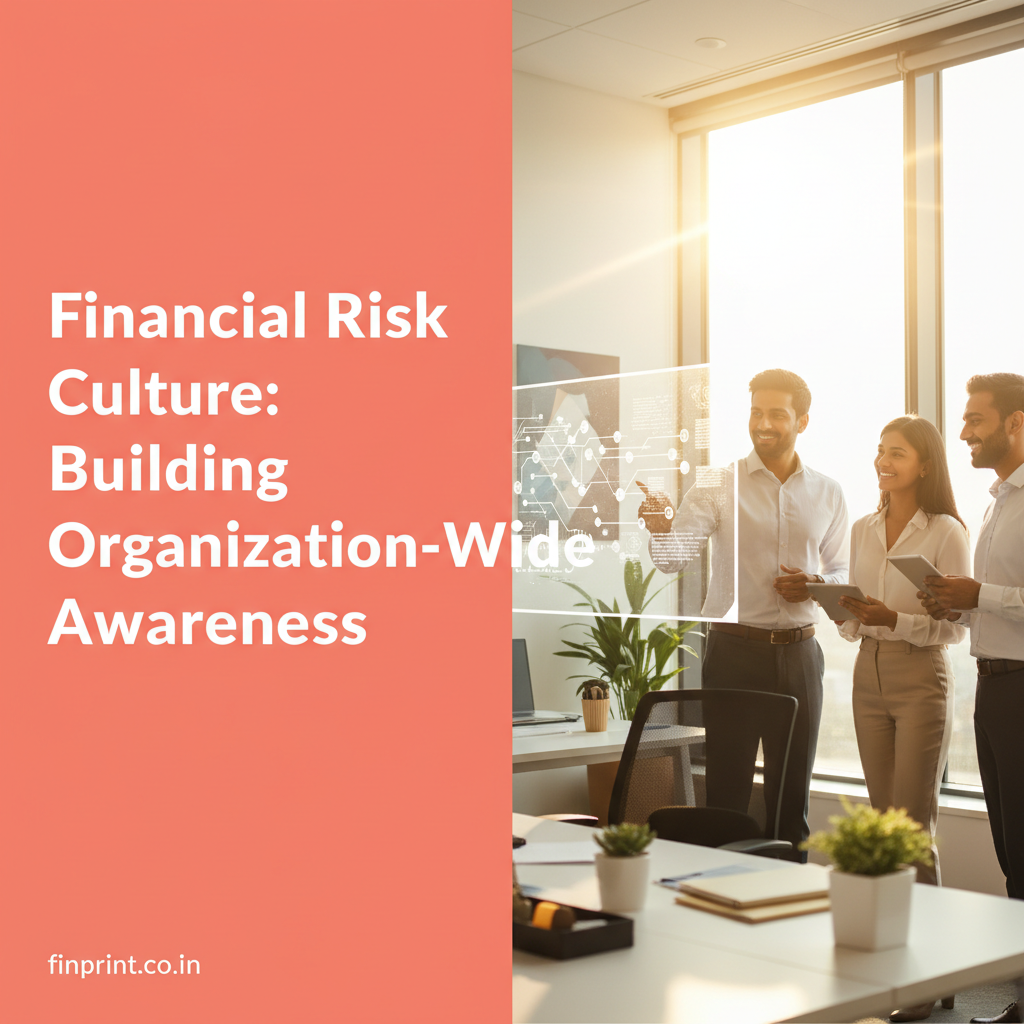 In today’s dynamic and interconnected financial landscape, organizations face an ever-evolving array of risks, from market volatility and credit defaults to cyber threats and regulatory non-compliance. While sophisticated risk management frameworks and technologies are crucial, their effectiveness hinges significantly on an often-overlooked yet foundational element: the financial risk culture. This isn’t just about policies and procedures; it’s about the shared values, beliefs, attitudes, and behaviors that influence how risk is perceived, discussed, and acted upon by everyone within an organization. A robust financial risk culture ensures that risk awareness permeates every level, from the boardrooms to the front lines, acting as a critical safeguard against potential crises. This comprehensive guide will delve into what constitutes a strong risk culture, the perils of its absence, strategies for assessment and development, and practical steps to foster organization-wide awareness.
The Cornerstone of Effective Risk Management: Understanding Financial Risk Culture
A strong financial risk culture is not merely an aspiration; it is the bedrock upon which effective risk management programs are built. It dictates how risk information flows, decisions are made, and ultimately, how an organization navigates uncertainty and protects its value.
Defining Financial Risk Culture and Its Impact
Financial risk culture encompasses the collective mindset and behavioral patterns that shape an organization’s approach to identifying, assessing, mitigating, and monitoring financial risks. It determines the effectiveness of risk management programs by influencing:
- Proactive Identification: Whether employees feel empowered to flag potential risks early, without fear of reprisal.
- Decision-Making Quality: The extent to which risk considerations are integrated into strategic and operational decisions, rather than being an afterthought.
- Adherence to Controls: The degree of voluntary compliance with internal controls and regulatory requirements, even when not directly supervised.
The Perils of a Weak Risk Culture
The catastrophic consequences of a poor risk culture are well-documented across industries. High-profile financial crises and corporate scandals often reveal a common thread: systemic breakdowns rooted in inadequate risk awareness, ethical lapses, and a disregard for established protocols. Such failures can lead to:
- Significant financial losses and erosion of shareholder value.
- Severe reputational damage and loss of customer trust.
- Increased regulatory scrutiny, hefty fines, and legal penalties from bodies like the Reserve Bank of India (RBI) or SEBI.
- Loss of competitive advantage and potential market exit.
Cultivating a Proactive Risk Environment: Leadership, Communication, and Assessment
Building a strong financial risk culture requires intentional effort, starting from the very top and extending through every layer of the organization. This involves clear leadership, continuous communication, and systematic assessment.
Tone from the Top: Leadership’s Pivotal Role
Leadership sets the tone for risk culture. When senior management consistently prioritizes risk awareness, transparency, and ethical conduct, it sends a powerful message throughout the organization. This “tone from the top” is critical because:
- It shapes perceptions: Employees observe how leaders discuss and manage risk, influencing their own attitudes.
- It allocates resources: Leaders determine investment in risk management infrastructure, training, and personnel.
- It defines accountability: Senior leadership establishes consequences for risk-taking that exceeds the organization’s risk appetite.
Leaders must embody the desired risk culture, demonstrating commitment through their words and actions.
Assessing and Measuring Your Organization’s Risk Culture
Understanding the current state of an organization’s financial risk culture is the first step toward improvement. Risk culture assessment involves evaluating the existing values, norms, and behaviors related to risk. This can be achieved through:
- Employee surveys: Anonymous questionnaires to gauge perceptions of risk, communication effectiveness, and management’s commitment.
- Interviews and focus groups: Qualitative insights into specific attitudes and experiences across different departments.
- Behavioral observations: Analyzing actual decision-making processes, incident reports, and post-mortems to identify cultural indicators.
- Document review: Examining policies, procedures, and internal communications for consistency with desired risk culture attributes.
Strategies for Effective Communication and Training
Effective communication and comprehensive training programs are indispensable for embedding a robust financial risk culture. They ensure that all employees understand their role in risk management and possess the necessary knowledge and skills.
- Clear communication frameworks: Establishing transparent channels for reporting risks, sharing lessons learned, and disseminating policy updates.
- Tailored training programs: Developing role-specific training modules that explain financial risk concepts relevant to different departments (e.g., credit risk for lending teams, market risk for traders).
- Regular awareness campaigns: Using newsletters, workshops, and internal platforms to reinforce key risk messages and highlight best practices.
For financial institutions, understanding these nuances is as crucial as mastering complex financial instruments. Our Banking Guides offer further insights into operational excellence and risk mitigation strategies specific to the financial sector.
Driving Accountability and Continuous Improvement
A thriving financial risk culture is characterized by clear accountability, a willingness to learn from mistakes, and a commitment to continuous improvement. It moves beyond mere compliance to proactive engagement.
Incentives, Accountability, and Governance
To truly embed a strong financial risk culture, organizations must align incentives and accountability systems with desired risk behaviors. This means:
- Performance metrics: Incorporating risk management objectives into individual and team performance evaluations.
- Reward structures: Designing compensation and bonus schemes that avoid incentivizing excessive risk-taking and instead reward responsible risk management.
- Clear accountability frameworks: Defining roles and responsibilities for risk ownership at all levels, ensuring that individuals are held accountable for their risk decisions.
- Robust governance structures: Establishing independent oversight bodies, such as risk committees, to challenge decisions and ensure adherence to the company’s risk appetite.
Common Pitfalls in Risk Culture Development
Organizations often stumble when trying to cultivate a strong risk culture. Recognizing these common mistakes is the first step toward avoiding them:
- Compliance focus only: Treating risk management solely as a compliance exercise rather than a strategic imperative.
- Inadequate leadership involvement: Senior management delegating risk culture initiatives without actively participating or championing them.
- Poor communication and engagement: Failing to clearly articulate risk expectations or engage employees in the risk management process.
- Lack of measurement and feedback: Not regularly assessing the risk culture or providing feedback to reinforce positive behaviors.
The Imperative of Continuous Monitoring and Improvement
Financial risk culture is not static; it evolves with market conditions, organizational changes, and technological advancements. Therefore, continuous monitoring and improvement are essential. This involves:
- Regular reviews: Periodically re-assessing the risk culture to identify shifts and emerging challenges.
- Feedback loops: Establishing mechanisms for employees to provide ongoing feedback on risk processes and cultural issues.
- Lessons learned: Systematically analyzing risk incidents, near misses, and control failures to extract valuable lessons and adapt the culture accordingly.
- Adaptation: Adjusting policies, training, and incentive structures in response to new risks or changes in the internal/external environment.
A Practical Framework for Building a Strong Financial Risk Culture
Building an organization-wide awareness of financial risk requires a structured and systematic approach. A robust framework provides the necessary guidance.
The 5-Step Risk Culture Development Framework
Implementing a strong financial risk culture can be broken down into a practical, actionable framework:
- Define Desired Culture: Clearly articulate the ideal risk values, behaviors, and principles that align with the organization’s strategy and risk appetite.
- Assess Current State: Conduct a thorough assessment to understand the existing risk culture and identify gaps between the current and desired states.
- Develop a Strategic Plan: Create a detailed action plan, outlining initiatives for leadership engagement, communication, training, incentives, and governance.
- Implement & Integrate: Roll out the planned initiatives, integrating risk culture elements into daily operations, decision-making processes, and performance management.
- Monitor & Refine: Continuously monitor the effectiveness of the initiatives, gather feedback, measure progress, and refine the strategy as needed.
Government initiatives, such as those promoted by various Government of India portals, often highlight the importance of ethical governance and risk awareness in the financial sector, providing valuable external context for organizations.
Essential Tools for Risk Culture Enhancement
Various tools can support the development and maintenance of a strong financial risk culture:
- Culture assessment instruments: Standardized surveys, questionnaires, and qualitative interview guides.
- Training materials: E-learning modules, workshops, case studies, and simulations tailored to different organizational roles.
- Communication frameworks: Internal communication platforms, risk dashboards, and standardized reporting templates.
- Whistleblower protection programs: Secure and anonymous channels for reporting ethical concerns or potential risks without fear of retaliation.
Implementing a Robust Financial Risk Culture: A Strategic Guide
Successful implementation requires a sustained, multi-faceted effort. Key components include:
- Top-down commitment: Visible and active sponsorship from the board and senior leadership.
- Bottom-up engagement: Empowering employees at all levels to be active participants in risk management.
- Integration with HR processes: Incorporating risk culture into recruitment, onboarding, performance management, and talent development.
- Clear accountability: Defining who owns which risks and ensuring consequences for breaches.
- Regular reinforcement: Consistent messaging, ongoing training, and celebration of positive risk behaviors.
- Continuous feedback: Establishing mechanisms for regular review and adaptation of the risk culture strategy.
Conclusion: Strengthening Financial Resilience Through Culture
- Key takeaway 1: Financial risk culture is not merely a soft skill but a critical determinant of an organization’s overall financial resilience and the effectiveness of its risk management programs.
- Key takeaway 2: Leadership’s unwavering commitment, clear communication, targeted training, and aligned incentives are indispensable for fostering organization-wide risk awareness.
- Key takeaway 3: A systematic approach, including regular assessment, a structured development framework, and continuous monitoring, is vital for building and sustaining a robust risk culture.
- Final actionable advice: Organizations must transcend a purely compliance-driven mindset, strategically investing in cultivating a proactive and ethical financial risk culture that empowers every employee to be a steward of organizational value and long-term sustainability. The future belongs to those who embed risk awareness into their very DNA.